
Finding a trustworthy supplier in China is one of the most important steps for any importer. Whether you’re sourcing kitchenware, furniture, electronics, toys, or raw materials, choosing the wrong supplier can lead to delayed shipments, product defects, refund disputes, or even fraud. The good news: with the right process, you can dramatically reduce risks and build long-term, stable partnerships.
This guide summarizes the most effective methods used by professional importers and supply chain managers.
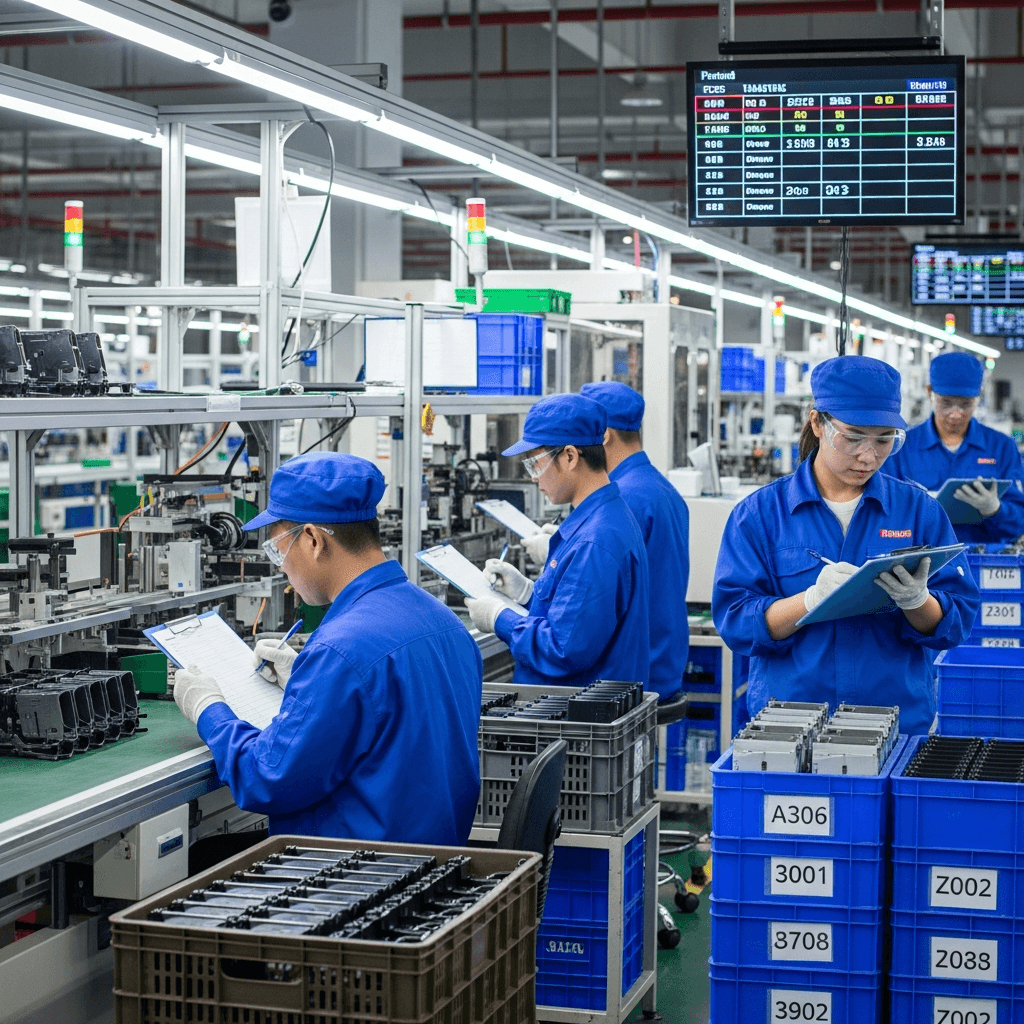
- Use Verified B2B Platforms (But Filter Carefully)
Chinese B2B platforms are huge, but not all sellers are created equal. Use them wisely:
Alibaba
- Look for Gold Supplier + Verified Supplier badges
- Review years in business, transaction history, and response rate
- Check product specialization, not a seller offering 20 unrelated categories
1688 (Chinese Domestic Platform)
- Suppliers are often manufacturers with lower prices
- Use only sellers with:
- High transaction ratings
- High customer satisfaction
- Verified factory badges
Global Sources / Made-in-China
- These platforms screen suppliers more strictly
- Suitable for electronics, machinery, and industrial goods
Pro Tip: Don’t choose suppliers only by price. Extremely low prices are often a warning sign.
- Conduct Basic Due Diligence
Before paying a deposit, verify:
Business License
Ask for:
- Company name (in Chinese)
- Unified social credit code
- Registered address
You can check this on China’s National Enterprise Credit Information Publicity System.
Factory Certification
Depending on the product:
- ISO9001
- BSCI
- CE/FCC/ROHS
- FDA registration (for cosmetics/medical-related products)
Export License
Some suppliers do not have their own export rights. Confirm whether they export directly or through an agent.
- Request Samples Before Bulk Orders
A reliable supplier will:
- Provide consistent sample quality
- Package properly
- Ship quickly
If the sample already looks sloppy, mass production will not improve.
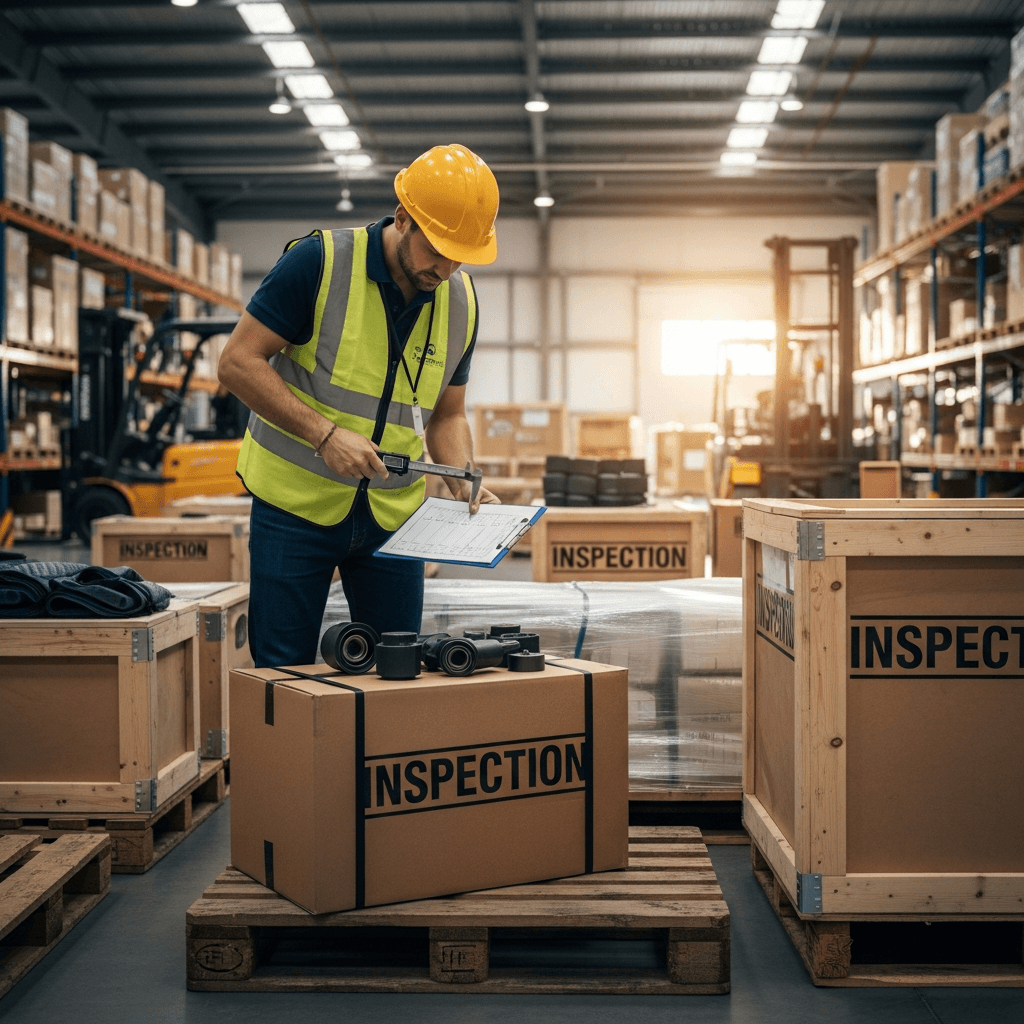
- Use a Third-Party Inspection Company
Professional inspectors will check:
- Product workmanship
- Functionality
- Quantity
- Labeling
- Packaging
- Compliance with regulations
Common inspection companies:
- SGS
- TUV
- Intertek
- QIMA
Inspection costs usually range from $100–$300 per person-day.
This step alone eliminates 70% of potential product issues.
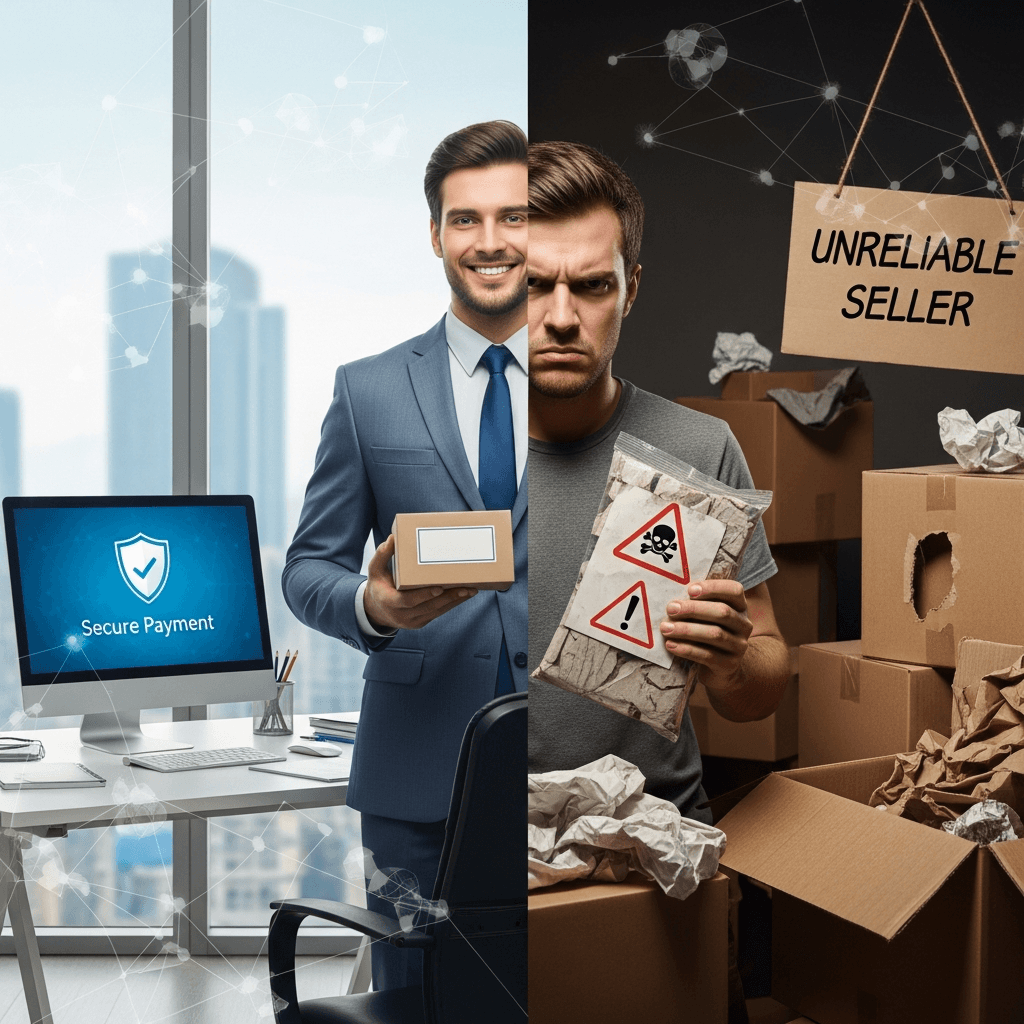
- Use Trade Assurance or Escrow Services
When paying your supplier:
- Use Alibaba Trade Assurance, PayPal, or LC (Letter of Credit) for large orders
- Avoid sending full payment before production
- Never send money to personal bank accounts
Secure payment protects you from nondelivery or poor-quality goods.
- Work Through a Reliable Freight Forwarder
A professional freight forwarder in China can help you:
- Verify supplier reliability
- Inspect cargo at the warehouse
- Prevent shipment of counterfeit or low-quality goods
- Ensure compliance with U.S. customs requirements
- Avoid scams, wrong items, or missing documentation
- Start With Small Orders and Gradually Increase
Even if everything checks out, avoid placing:
- Huge orders
- Complex SKUs
- Customized items
for your first transaction.
Test:
- Production speed
- Communication efficiency
- Quality stability
- After-sales attitude
Once the supplier proves reliable, expand volume gradually.
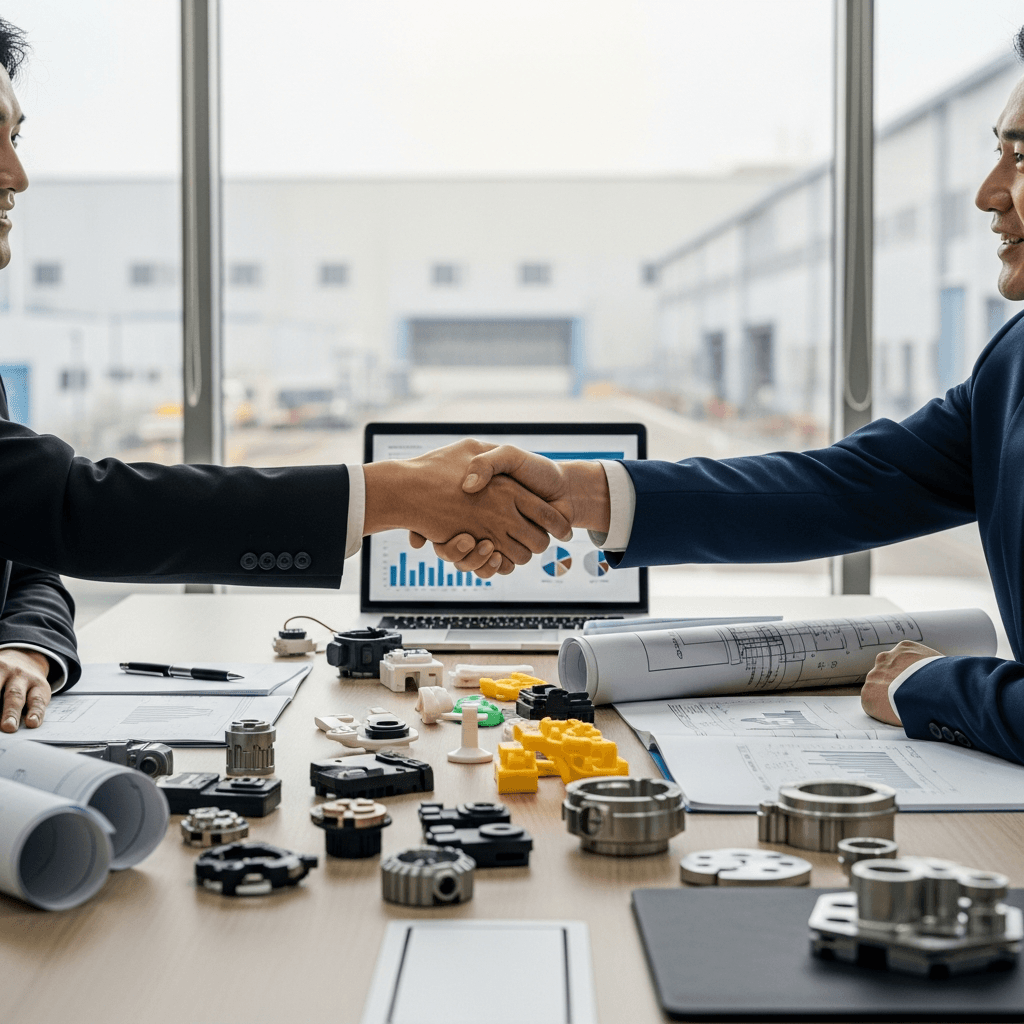
- Build Long-Term Relationships
Good Chinese suppliers value stable partnerships.
If you:
- Pay on time
- Provide clear specifications
- Communicate respectfully
- Maintain stable orders
they will offer:
- Better pricing
- Priority production
- Faster support
- Customized service
Final Advice: “Trust, But Verify”
China has many world-class factories — but also many traders, middlemen, and unverified sellers.
The key to success is systematic verification, not luck.
If you need help verifying a supplier, inspecting products, or arranging shipping to the U.S., Europe, Mexico, or Amazon FBA, feel free to reach out. My team at Zcyt Logistics works directly with Chinese manufacturers daily and can help you avoid costly mistakes.