
A recent report released by the French Parliament has raised a serious warning for France and the European Union: import regulation is no longer keeping pace with reality.
According to the report, enforcement on imported goods has become largely ineffective, even as the number of small, low-value cross-border parcels has surged at an unprecedented rate. The scale of non-compliance and fraud uncovered is described as alarming.
French customs data illustrates the problem clearly.
The number of individual products entering France via small parcels rose from 170 million units in 2022 to 773 million units in 2024—more than a fourfold increase in just two years. Even more striking, 97% of these low-value goods originated from China.
This is not merely a French issue. It reflects a broader structural challenge facing global trade.
The Small-Parcel Model Is Reshaping Trade—Faster Than Regulation Can Adapt
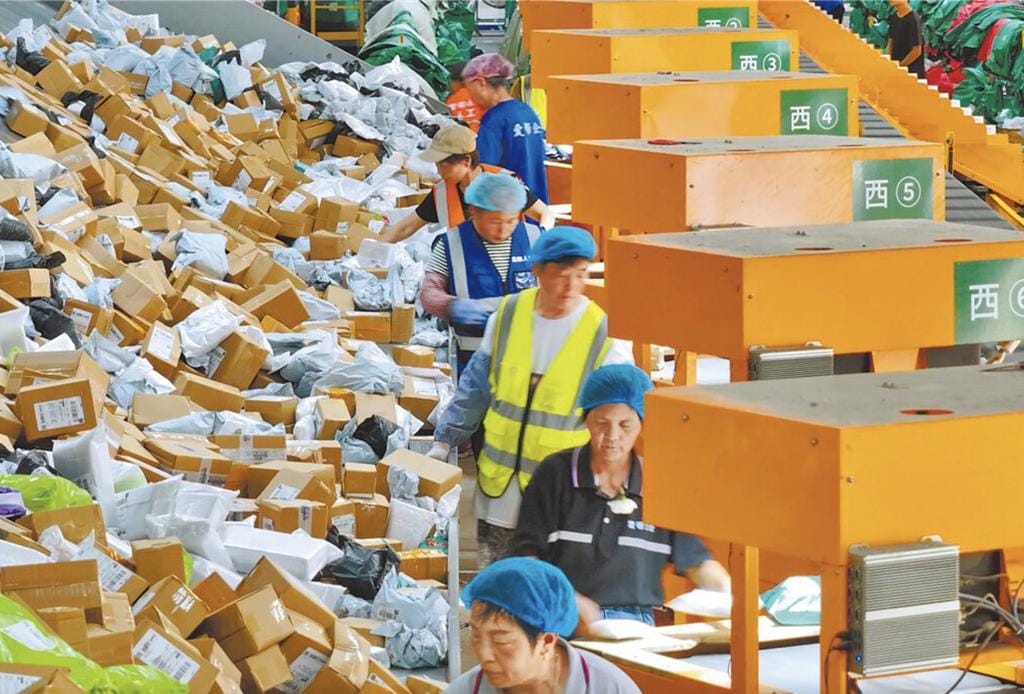
Cross-border e-commerce has fundamentally changed how goods move internationally. Traditional import systems were designed around containers, pallets, and consolidated shipments—not millions of individual parcels shipped directly to consumers.
Small parcels often benefit from:
- Simplified customs declarations
- De minimis thresholds that reduce duties and inspections
- Limited product-level compliance checks
While these mechanisms were originally designed to facilitate trade, they are now being used at industrial scale, creating blind spots in enforcement.
The result is a regulatory mismatch: rules built for the past, applied to a volume reality of the future.
Compliance Gaps Create Uneven Competition
One of the most concerning implications is market distortion.
European manufacturers and compliant importers face:
- Strict product safety standards
- Labeling, environmental, and consumer-protection rules
- Full VAT and duty obligations
Meanwhile, non-compliant goods entering via small parcels can bypass many of these requirements. This creates an uneven playing field where compliance becomes a cost disadvantage, not a baseline expectation.
In the long run, this undermines trust in both regulation and the market itself.
Why China Is Central—but Not the Only Issue
The data shows that the majority of low-value parcels come from China, largely because China remains the world’s most efficient manufacturing and fulfillment hub for e-commerce.
However, the core issue is not origin alone, but rather:
- The scale of direct-to-consumer shipping
- Weak enforcement mechanisms
- Incentives that reward volume over compliance
Blaming a single country does not solve a systemic problem.
What Comes Next: Tighter Controls Are Inevitable
Reports like this signal one thing clearly: policy tightening is coming.
Potential responses may include:
- Lower de minimis thresholds
- Mandatory platform responsibility for compliance
- More frequent inspections of small parcels
- Digital product traceability requirements
- Higher penalties for misdeclaration and fraud
For sellers, platforms, and logistics providers, the cost of non-compliance will rise—not fall.
A Moment of Reflection for Global Trade
The explosive growth of cross-border e-commerce has delivered convenience and lower prices to consumers, but it has also exposed the limits of current regulatory systems.
The key question is no longer whether regulation should adapt, but how quickly it can do so without disrupting legitimate trade.
For exporters, importers, and logistics providers, this is a reminder that compliance is not optional—it is strategic. Those who prepare early will navigate the next phase of global trade more smoothly than those who rely on loopholes that are rapidly closing.